
Hair Health
What You Should Know About Hair Loss ?
From causes to treatments, your complete guide
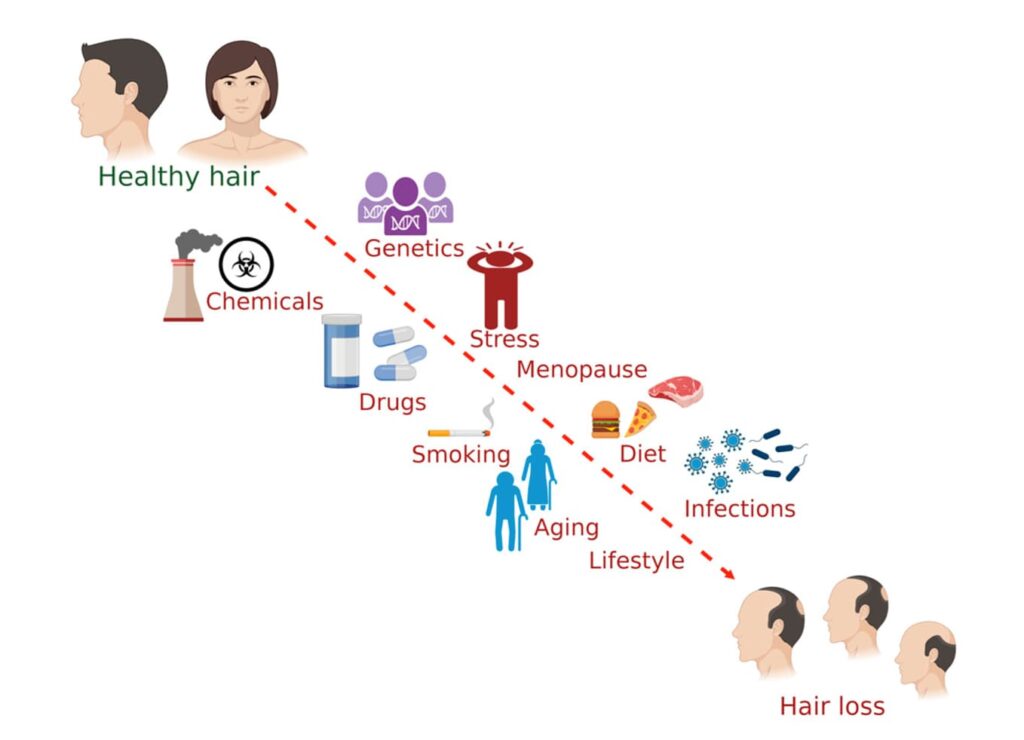
Hair loss is personal and it doesn’t look the same on anyone. For some, it happens gradually over time. For others, it can feel sudden and unexpected. The reasons behind it are often different for men and women, and understanding the “why” is the first step toward finding the right solution.
Here’s a gentle breakdown of what might be happening — and what you can do about it.
In Men
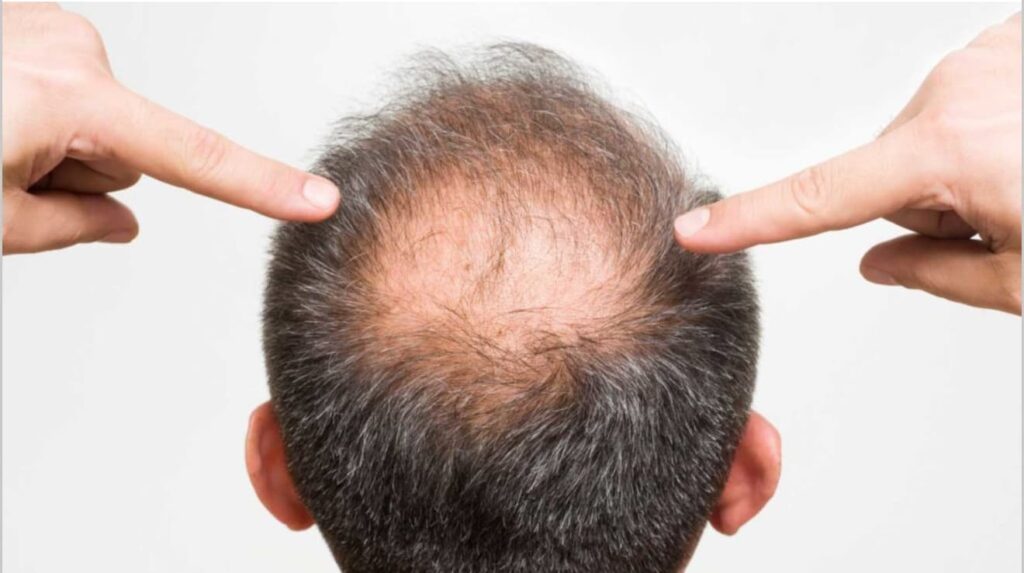
For most men, hair loss follows a pattern, often a receding hairline or thinning at the crown. This is usually linked to:
Genetics: If your father or grandfather lost hair, there’s a good chance you will too.
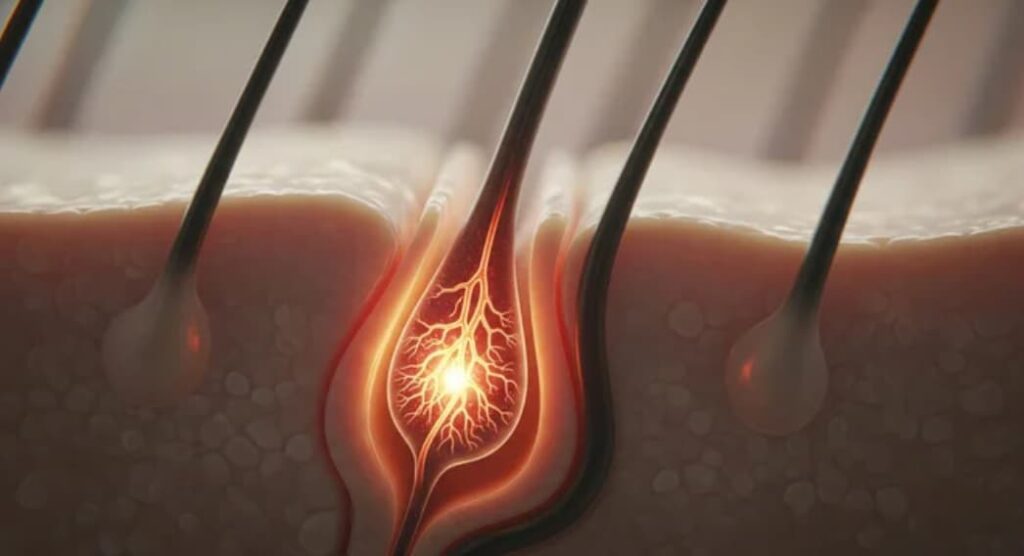
DHT (dihydrotestosterone): A hormone that can shrink hair follicles over time, making hair thinner and shorter until it stops growing.
Age: Hair naturally thins as we get older, but for some men, it starts earlier, even in their 20s.
In Women
Women’s hair loss tends to look different. Instead of a receding hairline, women often notice:
Wider parting: The hair along the crown becomes thinner.
Overall shedding: Hair may feel less dense all over.
Menopause: Dropping oestrogen levels can trigger noticeable thinning, especially around the front and crown.
Iron levels: Heavy periods or diet can lead to low iron, which directly affects hair growth.
Ageing
Hair grows more slowly and becomes finer as we get older. This is natural, but it can be managed.
Immune System Issues
Sometimes the body’s immune system gets confused and attacks healthy hair follicles. This is called alopecia areata, and it can cause patchy hair loss. Inflammatory conditions like lichen planopilaris or scalp psoriasis can also damage follicles and lead to scarring hair loss if left untreated.
Vitamin Deficiencies
Your hair needs fuel to grow. Common deficiencies that affect hair include:
Iron: Low iron is one of the most common causes of hair loss in women.
Vitamin D: Linked to several types of hair loss, including alopecia.
B vitamins (especially Biotin): Help strengthen hair and support growth.
Zinc: Important for follicle health and repair.
Stress and Hormones
Big life events, illness, or chronic stress can push hair follicles into a resting phase, leading to sudden shedding weeks later. This is usually temporary.
Can Shampoos and Nutrition Really Help?
Shampoos
Some shampoos are formulated to support scalp health, which is essential for hair growth. Look for:
Caffeine-based shampoos: May help stimulate follicles
Ketoconazole shampoos: Often used for dandruff, but can help reduce scalp inflammation
Peptide or biotin shampoos: Support the hair shaft and improve appearance
IMPORTANT: Shampoos alone won’t reverse genetic hair loss.Think of them as support, not a cure.
Nutrition
A balanced diet rich in vitamins and minerals can make a real difference. Focus on:
Iron-rich foods: Leafy greens, red meat, lentils
Vitamin D: Sunlight, fatty fish, fortified foods
Biotin: Eggs, nuts, whole grains
Zinc: Shellfish, seeds, beans
If you’re deficient, supplements may help, but it’s always best to check with a professional first.
Hi, this is a comment.
To get started with moderating, editing, and deleting comments, please visit the Comments screen in the dashboard.
Commenter avatars come from Gravatar.